Blog
Sleep Deprivation May Have Negative Impacts on Bone Marrow Activity and Overall Bone Health: Study
19/09/2012 21:17
 Frequent lack of sleep may detrimentally affect overall bone health, a new study suggests, explaining how chronic sleep deprivation in laboratory rat models may have caused bone and bone marrow abnormalities.
Wisconsin-based scientists, who will have their recent analysis published in the September 2012 issue of Experimental Biology and Medicine, reportedly revealed how repeated sleep loss may have caused a dramatic imbalance in the natural cycle of bone absorption and remodeling, explaining how sleep-deprived rats demonstrated diminished bone formation without any changes in the rate of bone breakdown. In addition, significant factors that describe changes to marrow plasticity have also been observed.
Study authors note the potentially wide-ranging effects of recurrent sleep deprivation to osteoporosis and inability to repair bone damage when the same processes are stimulated to humans.
Osteoporosis, a condition in which bones are made extremely weak and brittle, has reportedly emerged as a growing health concern among ageing men and postmenopausal women, health experts say. Despite the various forms of treatments available to help inhibit the disease from advancing and causing subsequent painful fractures, bone drugs have been the most commonly prescribed. However, a string of adverse events has also been associated with Fosamax and other bisphosphonates.
A relatively new testing method, while it has yet to be launched into the consumer market, holds much promise and may be a relief to individuals who may be reluctant in committing to a medicated approach against the bone disease.
Read More: Study Suggests New Form of Osteoporosis Detection Might Delay Need for Fosamax
Study Shows Fosamax Could Cause Espohpageal Cancer
08/11/2011 23:03
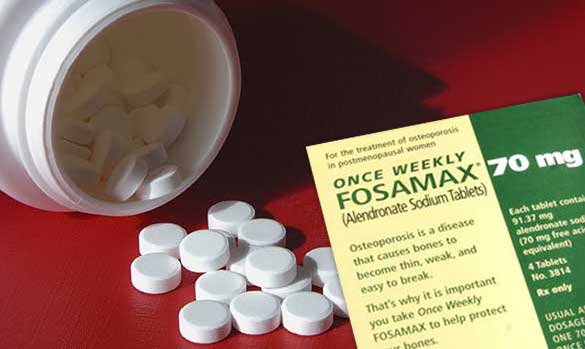 There have been recent reports which claim that the United States Food and Drug Administration (FDA) had received reports of at least 23 patients in the United States where diagnosed with esophageal cancer while on Fosamax. The time frame of the reporting was between the initial marketing in October 1995 through mid-May 2008.At this time there was no other reporting of other oral bisphophonates in the FDA database for adverse-event reporting. However, by the time that the study was published, eight of the 23 patients had already died. Currently no Fosamax litigation has been filed on behalf of those eight who have died.
According to FDA reports, up to 23 patients in the United States had been diagnosed with esophageal cancer, with Fosamax as the suspect drug (in 21 patients) or the concomitant drug (in two patients).
Of the 23 patients, 18 were women, and the average age was 74 years. Among the 14 patients with dose information, eight were reported to have taken Fosamax at a dose of 10 mg per day; five were reported to have taken 70 mg per week; and one was reported to have taken Fosamax “once per week.”
The study also showed that the average time that Fosamax was being used was about two years per patient. The study also indicates that not all risk factors were provided for all the patients however, one patient took Fosamax despite having Barrett's Esophagus, a precursor of esophageal adenocarcinoma. Some other risk factors that need to be mentioned could have been smoking, drinking and heavy acid refulx.
The FDA also goes on to say that a larger population size is needed to secure the link between cancer and Fosamax use. The biggest problem that most esophageal cancer patients face is that the symptoms of the early stages of this cancer rarely show themselves.
When esophageal cancer begins to advance into its later stages the most common symptoms which show are difficulty swallowing, spitting up blood and sudden weight loss. Fosamax use has been linked to other side effects as well, which can include low-impact bone fractures. Knowing what to look for and what to do when Fosamax side effects show is always important, and always consult with a doctor if these side effects begin to show.
URL References:
https://www.drugalert.org/news/2010/09/09/fosamax-allegedly-connected-esophageal-cancer-bone-breaks
https://www.emaxhealth.com/1024/94/28167/fosamax-may-cause-esophageal-cancer.html